
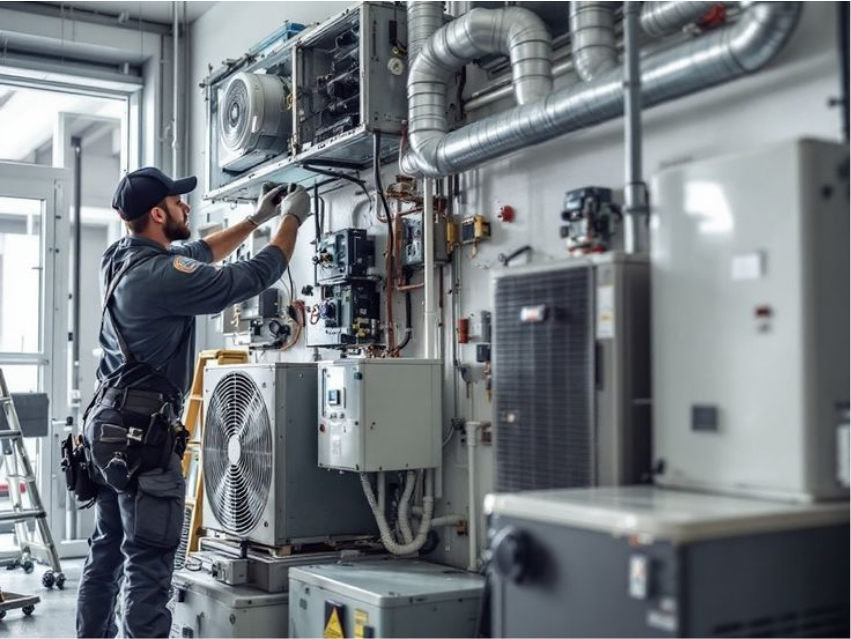
In many commercial buildings, HVAC systems are assumed to be compliant simply because they function. Air flows, temperatures are regulated, and occupants rarely see visible signs of contamination. Yet beneath this operational surface, ventilation systems often harbour dust, microbial growth, and degraded internal materials that pose serious health and compliance risks.
This is where HVAC hygiene audits become essential. Unlike routine cleaning or visual inspections, hygiene audits provide a structured, evidence-based assessment of internal HVAC conditions. For facility executives, engineers, and compliance managers, they serve as a critical risk-management tool rather than a maintenance add-on.
Concept Clean Africa conducts professional ventilation hygiene assessments designed specifically for industrial and commercial environments where system complexity, occupancy density, and regulatory exposure are high.
Why Visual Cleanliness Is Not Enough
A common misconception in commercial facility management is that if HVAC components are accessible and appear clean, the system is hygienically sound. In reality, the most problematic contamination exists deep within ductwork and air handling components that are not visible during standard inspections.
Typical issues uncovered during HVAC system inspections include:
- Fine particulate accumulation bonded to duct surfaces
- Microbial growth developing in moisture-prone sections
- Contaminants trapped behind internal insulation
- Airflow imbalance caused by partial obstructions
Because these issues develop gradually, they rarely trigger immediate operational failures. Instead, they contribute to declining indoor air quality, increased health complaints, and long-term compliance exposure.
The Compliance Role of HVAC Hygiene Audits
Modern occupational health and safety standards increasingly require employers and property owners to demonstrate proactive air quality management. While regulations may not always specify cleaning frequencies, they do place responsibility on building operators to maintain safe indoor environments.
Indoor air hygiene audits provide documented evidence that HVAC systems have been assessed, risks identified, and corrective actions recommended. This documentation is particularly valuable during:
- Health and safety audits
- Insurance assessments
- Tenant or workforce complaints
- Engineering condition reports
For consulting engineers and compliance managers, hygiene audits bridge the gap between operational HVAC performance and regulatory accountability.
Common Risks Identified During HVAC Hygiene Audits
Professional audits frequently reveal issues that would otherwise remain undetected:
1. Microbial Contamination
Moisture from condensation, leaks, or poor drainage creates ideal conditions for mould and bacterial growth. Once airborne, these contaminants circulate throughout occupied spaces.
2. Degraded Internal Surfaces
Older duct systems often suffer from deteriorating insulation or lining materials, releasing fibres and particulates into the air stream.
3. Cross-Contamination
In complex buildings, poor zoning or duct leakage can allow contaminants from kitchens, loading areas, or plant rooms to spread into office or retail spaces.
4. Maintenance Gaps
Audits frequently identify areas excluded from routine cleaning schedules due to access limitations or oversight.
How Concept Clean Africa Conducts HVAC Hygiene Audits
Concept Clean Africa applies a structured, non-disruptive audit methodology designed for large-scale systems.
Our approach includes:
- Internal duct condition assessments using controlled access methods
- Identification of high-risk contamination zones
- Evaluation of airflow hygiene and system layout
- Clear reporting aligned with commercial HVAC compliance requirements
Importantly, our audits are not generic checklists. They are tailored to building type, system design, and occupancy profile, ensuring relevance and practical value.
Turning Audit Findings into Action
An HVAC hygiene audit is only valuable if it leads to informed decision-making. Concept Clean Africa provides actionable recommendations that allow facility teams to prioritise interventions based on risk rather than guesswork.
Benefits include:
- Targeted cleaning instead of blanket interventions
- Reduced operational disruption
- Improved coordination between engineers, compliance teams, and service providers
- Long-term reduction in HVAC contamination risk
A Proactive Compliance Strategy
As regulatory expectations around indoor air quality continue to rise, HVAC hygiene audits are becoming a standard component of responsible facility management. They transform HVAC hygiene from an assumption into a measurable, defensible process.
Concept Clean Africa delivers the expertise required to assess, document, and manage HVAC hygiene with confidence, protecting occupants, assets, and reputations.