
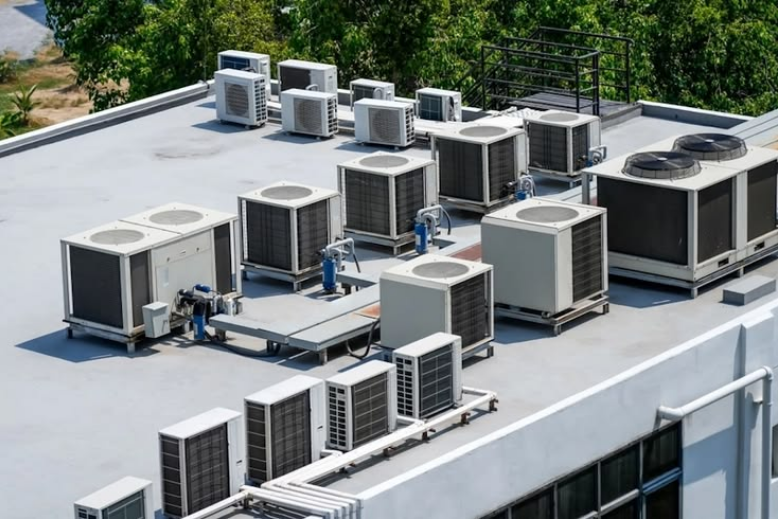
In large commercial environments, HVAC systems are designed to maintain stable indoor temperatures, support occupant comfort, and regulate indoor air quality. However, even well-designed systems can suffer from reduced performance when airflow distribution becomes uneven or restricted.
For facility managers and mechanical engineers, airflow issues are often difficult to detect because the system continues operating, yet its efficiency gradually declines. Over time, this leads to rising energy consumption, inconsistent temperature zones, and increased strain on equipment components.
Through professional HVAC airflow optimisation services, businesses can identify airflow restrictions, restore system balance, and improve overall performance. Concept Clean Africa works with commercial property managers and building engineers to ensure ventilation systems operate as efficiently as intended.
The Role of Airflow in HVAC System Performance
Airflow is the foundation of HVAC functionality. Air handling units, duct networks, and diffusers are designed to distribute conditioned air evenly throughout a building. When airflow becomes restricted or unbalanced, the entire system is affected.
Key consequences of airflow problems include:
Increased Energy Consumption
When air cannot move freely through duct systems, fans and motors must work harder to maintain required airflow volumes. This increases electrical demand and significantly raises operating costs over time.
Uneven Temperature Control
Poor airflow distribution creates “hot and cold zones” within buildings. Some areas may experience inadequate cooling or heating while others receive excessive airflow, reducing comfort and productivity.
Equipment Strain
Restricted airflow places additional load on components such as blowers, coils, and compressors. Over time, this can accelerate mechanical wear and increase maintenance costs.
Reduced Indoor Air Quality
Airflow problems can prevent proper ventilation, allowing contaminants and airborne particulates to accumulate within occupied spaces.
For building performance consultants and engineers, these issues highlight the importance of regular commercial airflow testing to ensure systems remain properly balanced.
The Hidden Cost of Uneven Air Distribution
Many organisations underestimate the financial and operational impact of airflow inefficiencies. Because HVAC systems rarely fail immediately due to airflow imbalance, the problem often persists unnoticed for long periods.
Some of the most common hidden costs include:
- Higher electricity consumption due to increased fan resistance
- Reduced lifespan of HVAC components
- Increased maintenance requirements
- Occupant complaints and reduced workplace comfort
- Difficulty maintaining stable environmental conditions
In large commercial buildings, even small airflow inefficiencies can lead to significant operational expenses when multiplied across large HVAC networks.
Professional HVAC performance balancing helps restore correct airflow distribution, ensuring each zone receives the intended volume of conditioned air.
Causes of Airflow Problems in Commercial Buildings
Airflow issues rarely stem from a single cause. Instead, they usually develop gradually as systems age or as building usage changes.
Common contributing factors include:
Duct Contamination
Dust and particulate accumulation within ducts can restrict airflow and disrupt system balance. Over time, this contamination creates additional resistance within the ventilation network.
Poorly Designed Modifications
Building renovations or layout changes may alter airflow patterns. When HVAC systems are not recalibrated after these changes, airflow imbalances can occur.
Blocked Diffusers or Vents
Furniture placement, internal partitioning, or obstructed vents can interfere with proper air distribution.
Mechanical Wear
As fans, dampers, and other airflow control components age, their ability to maintain consistent airflow levels may decline.
Identifying these problems requires structured testing and technical analysis rather than guesswork.
How Concept Clean Africa Identifies and Corrects Airflow Issues
Concept Clean Africa works with facility teams and consulting engineers to assess airflow performance in complex commercial HVAC systems.
Our HVAC airflow optimisation services involve a structured approach that focuses on identifying restrictions, restoring system balance, and improving overall ventilation efficiency.
Our process typically includes:
Airflow assessment and measurement
Technicians evaluate airflow distribution across key sections of the system to identify imbalances or restricted areas.
System condition analysis
Ductwork and ventilation components are assessed for contamination or mechanical issues that may be affecting airflow.
Performance recommendations
Facility managers receive clear guidance on corrective actions, including cleaning interventions or airflow balancing adjustments.
Long-term performance improvement
By addressing airflow inefficiencies early, businesses can maintain stable HVAC performance and avoid costly system strain.
Why Airflow Optimisation Matters for Commercial Buildings
Optimising airflow is not simply about comfort, it is about protecting the long-term efficiency of HVAC infrastructure.
When airflow is properly balanced, organisations benefit from:
- Improved energy efficiency
- Consistent indoor temperatures
- Reduced strain on HVAC equipment
- Better indoor air quality
- Lower maintenance costs
For large commercial facilities, maintaining optimal airflow is a key part of responsible building management.
Concept Clean Africa helps facility teams maintain reliable and efficient ventilation systems through professional testing, analysis, and corrective cleaning services.