The Residue You Can’t See Can Still Harm You
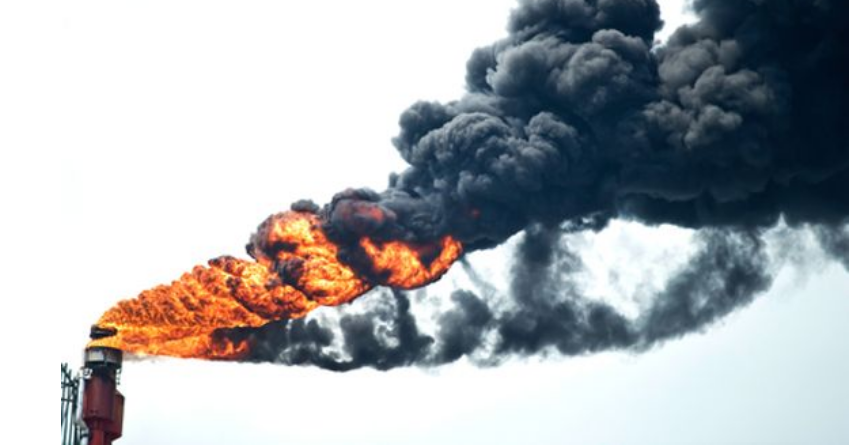
After a fire, even once the flames are out and the damage appears contained, what remains behind is often far more harmful than most realise. Smoke and soot, tiny, invisible particles left behind by incomplete combustion, can linger in the air and on surfaces for weeks, quietly affecting both structural integrity and human health.
In commercial and industrial buildings, these residues embed themselves deep into walls, ceilings, and HVAC systems. The results are persistent odours, corrosion of metal fixtures, and potential respiratory hazards. While superficial cleaning may make a space look restored, it rarely removes the microscopic contamination that continues to circulate in the air.
At Concept Clean Africa, professional smoke and soot removal is more than just cleanup, it’s scientific decontamination. The company applies advanced chemical, mechanical, and atmospheric cleaning techniques to ensure that the environment is fully purified, safe, and compliant with post-fire standards.
How Smoke and Soot Affect Buildings and People
The chemical complexity of smoke and soot makes them uniquely dangerous. Depending on the materials burned, plastics, insulation, wood, or synthetic fabrics, the resulting residues can contain over 1,000 harmful compounds, including acids, carbon monoxide, and volatile organic compounds (VOCs).
Health Hazards: The Invisible Impact
When inhaled, fine soot particles penetrate deep into the lungs and bloodstream. Extended exposure can cause respiratory irritation, eye inflammation, and long-term cardiovascular issues. For building occupants returning too soon after a fire, these risks are amplified by residual airborne contaminants trapped in soft furnishings or ductwork.
Sensitive individuals, such as children, the elderly, and workers with asthma, are particularly at risk. In poorly ventilated spaces, soot can remain airborne for months, creating an environment that looks safe but remains toxic.
Structural Damage and Corrosion
Soot is also chemically aggressive. When it settles on metal, wiring, or paint, its acidic properties cause corrosion, discolouration, and degradation. Electronics and machinery exposed to smoke may fail unexpectedly due to residue on internal circuits.
If untreated, this slow corrosion can undermine even newly restored spaces, leading to recurring maintenance issues, insurance claims, and long-term costs.
How We Decontaminate Smoke-Affected Sites
1. Scientific Assessment and Air Testing
Every restoration begins with a forensic-style assessment. Concept Clean Africa’s technicians use particle counters and air sampling devices to measure airborne contaminants, identify residue types, and determine cleaning protocols.
This data-driven approach allows for a tailored cleaning strategy, ensuring that methods match the specific combination of residues present, from dry soot to oily film or protein-based smoke. The assessment also identifies affected air handling systems, often the main source of recurring contamination.
2. Containment and Controlled Cleaning
Before cleaning begins, technicians isolate the affected area to prevent recontamination. Plastic sheeting, negative air machines, and HEPA-filtered extractors are used to maintain controlled airflow and pressure differentials.
Within this sealed environment, all surfaces are cleaned methodically, beginning with dry particulate removal using specialised vacuum systems. Dry cleaning techniques prevent smearing or embedding soot into porous surfaces like drywall or ceiling tiles.
Once dry cleaning is complete, the team proceeds to wet chemical cleaning. pH-balanced, neutralising detergents are applied using microfiber cloths or foam applicators, depending on surface sensitivity. Each chemical is chosen to dissolve carbon deposits without damaging coatings or finishes.
3. Air and HVAC System Decontamination
One of the most critical phases of smoke restoration involves air duct cleaning and HVAC decontamination. Because smoke and soot particles travel easily through ventilation systems, a building may continue to circulate contaminated air even after visible cleaning is done.
Concept Clean’s HVAC specialists use:
- Rotary brushes to dislodge soot from duct interiors
- Negative air pressure systems to extract loosened debris
- HEPA vacuums to capture ultra-fine particulates
- Sanitising foggers to neutralise odours and microbial growth
Air filters and diffusers are then replaced or deep-cleaned, ensuring that fresh, uncontaminated airflow is restored.
4. Odour Neutralisation and Air Purification
Smoke odour is more than a smell, it’s an indicator of microscopic pollutants still present in the environment. To eliminate these, Concept Clean employs a combination of ozone generation, thermal fogging, and hydroxyl treatment.
- Ozone Treatment: Breaks down organic odour molecules at the molecular level.
- Thermal Fogging: Simulates fire heat conditions to reach hidden crevices and absorbent materials.
- Hydroxyl Generators: Provide continuous, safe deodorisation in occupied areas.
These treatments not only remove odours but also oxidise harmful compounds, improving overall air quality.
5. Surface Restoration and Finishing
After soot and odour removal, surfaces often require refinishing or sealing to restore appearance and prevent future staining. Concept Clean uses protective coatings and neutralising agents to stabilise surfaces like metal, wood, and stone.
Walls and ceilings are treated with anti-soot primers before repainting, ensuring that stains don’t resurface. Floors are degreased and sanitised using environmentally friendly detergents, while upholstery and carpets undergo steam extraction or dry compound cleaning to remove residual contaminants.
Post-Clean Verification and Compliance
Concept Clean Africa provides clients with full verification reports to confirm that cleaning has met industrial hygiene and safety standards.
These include:
- Particulate and chemical residue tests to measure air cleanliness.
- Surface swab analysis for residual soot or microbial growth.
- Documentation for insurance and regulatory compliance.
Each report demonstrates measurable reductions in particulate levels and air pollutants, offering transparency and assurance to insurers and property owners alike.
Why Professional Removal Matters
Attempting to clean smoke and soot damage without professional equipment or training can make the problem worse.
- Household vacuums lack HEPA filtration, dispersing particles back into the air.
- Over-wetting soot-stained surfaces spreads acidic residues.
- Strong cleaning agents can permanently etch finishes or corrode metals.
Professional restoration ensures containment, filtration, and neutralisation—not just visual improvement. Concept Clean Africa’s methods align with international restoration guidelines, ensuring that every cleaned site meets health and safety benchmarks before handover.
Protecting Indoor Environments Long-Term
Post-fire cleaning is not only about immediate recovery. Residue buildup in ducts or on structural materials can continue off-gassing for months if not fully removed. Concept Clean offers long-term monitoring and periodic air testing for clients managing large commercial sites or residential complexes.
This proactive maintenance ensures sustained air quality, helping prevent health issues and property degradation. It also reduces liability for landlords, facility managers, and insurers overseeing tenant safety or policy compliance.
Conclusion
Smoke and soot may be invisible to the naked eye, but their effects can be long-lasting and severe. Without professional removal, contaminants continue to harm air quality, damage property, and endanger health long after a fire is out.
Concept Clean Africa’s Smoke and Soot Removal Services combine science, technology, and care to deliver complete decontamination, restoring buildings to safety and occupants to peace of mind.
If your property has suffered smoke exposure or fire damage, don’t take shortcuts. Contact Concept Clean Africa today for a full site assessment and recovery plan tailored to your facility.